The people on the other side of the promise
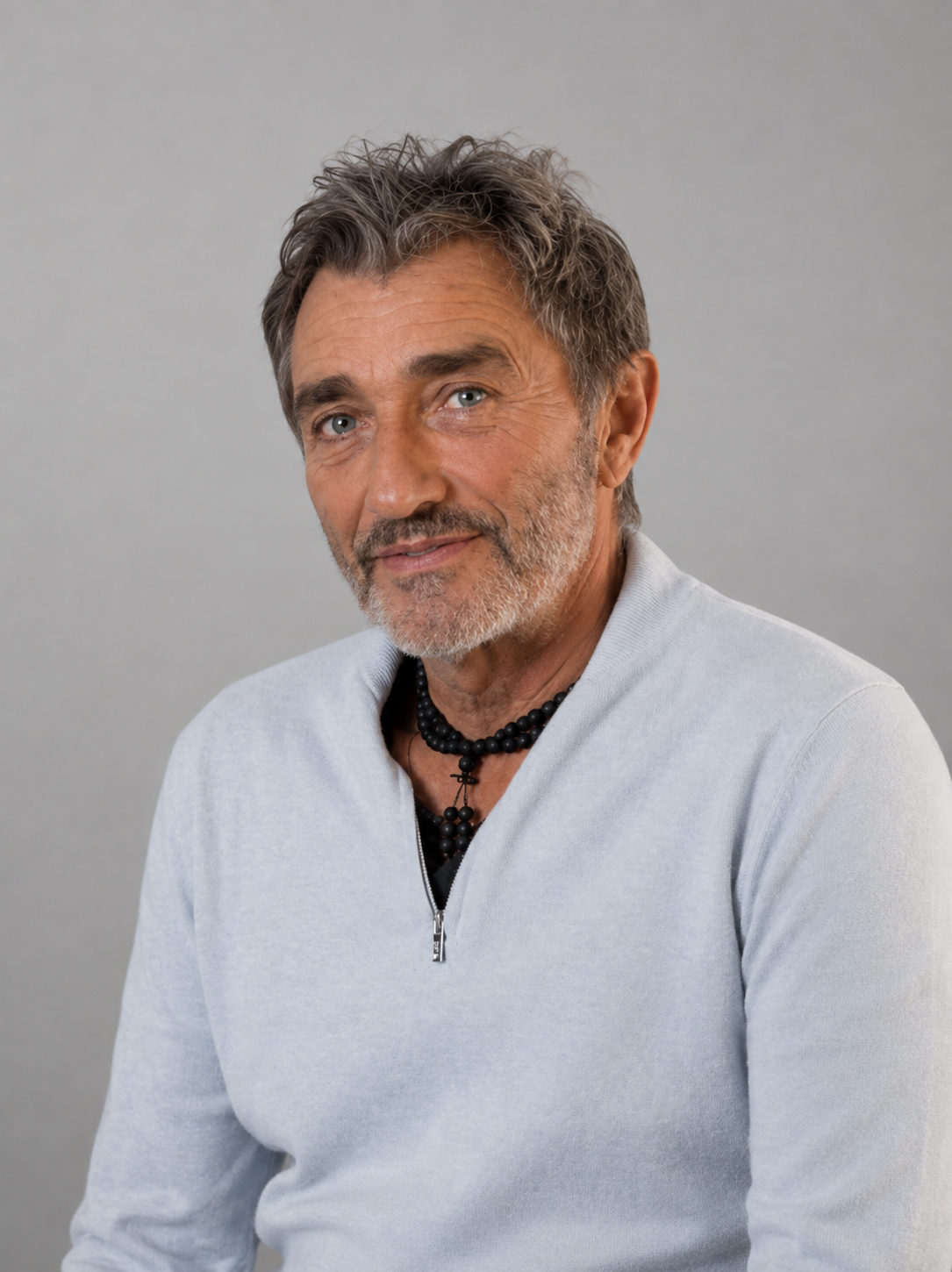
Mike Reid
Founding Member · CEOMike began his career on the trading floors of Salomon Brothers in 1987, going on to senior roles at Credit Suisse First Boston in London and Tokyo and as Global Head of Risk Arbitrage at Nomura. In 1998, he left finance to open a single therapeutic residential children's home in Scotland. That home became Care Visions, which Mike grew into the largest provider of children's residential care in Scotland, later extending into community-based foster care and home care. Seeing parallels between therapeutic care for children and the challenges of dementia, he assembled a team to rethink non-drug approaches to treatment, work that became Care Visions Healthy Ageing, launched in China in 2013. He went on to co-found Goldster, bringing evidence-based healthy aging to tens of thousands of members online. Shared living came out of a simple conclusion from that work: loneliness isn't solved by medicine; it's solved by people. Mike built that solution into a home.
“We're living longer, but not always better, isolation is a key reason why. What we learned at Goldster is that the fix isn't strictly medical, it's social. Therefore, we are curating a space built on that idea: helping people come together through connection and purpose, giving them a way to rediscover who they are; and step into the life they should be living.”
.png)
Ryan Short
Founding Member · Head of PropertyRyan Short is a property, asset, and facilities manager, with more than 20 years of experience leading operational, strategic, and investment-focused property portfolios across EMEA in both the Public and Private Sector. Throughout his career, Ryan has worked across residential, commercial, retail, and mixed-use environments, managing assets on behalf of major investors and government organisations while delivering long-term value through effective leadership, innovation, and operational excellence. Currently serving as Head of Asset Services, Ryan combines extensive technical expertise with a commercially focused approach to asset management. His experience spans acquisitions, portfolio optimisation, facilities management, capital investment programmes, property compliance, stakeholder engagement, and organisational transformation. Ryan is a devoted family man who believes strongly in the importance of people, relationships, and community.
“Everyone deserves more than a place to live; they deserve a place to belong. Shared living brings people together in thoughtfully designed communities, curating places where friendships flourish, the loneliness epidemic fades, and people find genuine connection and purpose. That's when people truly thrive.”
.png)
Sir Muir Gray
Founding Member · Leading ResearcherSir Muir Gray is one of Britain’s leading public health experts, with more than 50 years’ experience in the NHS. He helped establish the UK’s national breast and cervical cancer screening programmes and was a founding figure in the Cochrane Collaboration, which transformed the way medical evidence is used around the world. He went on to become the NHS’s first Chief Knowledge Officer and has advised governments across Europe, Australia and New Zealand on improving healthcare. He was knighted in 2005 for his services to the NHS. Sir Muir has also spent decades challenging traditional ideas about ageing. His work explores how people can remain healthier, active and independent for longer - and the importance of connection and community as we age. He is the author of numerous books on living well in later life.
“To improve health it is essential to increase wellbeing as well as providing clinical services to prevent and manage disease effectively. The best means of doing this is to belong to a stimulating community, and an intergenerational community is the best type to belong to and contribute to.”
.png)
Dr Linda de Caestecker
Founding Member · Leading ResearcherLinda is a leading public health doctor who has spent much of her career tackling health inequalities and improving the lives of vulnerable people and families. She trained as an obstetrician and gynaecologist before moving into public health medicine in the early 1990s. She served as Director of Public Health for NHS Greater Glasgow and Clyde from 2006, working to improve some of the worst health outcomes in the country, and earlier led the women and children's health unit for the Scottish Executive. She was a member of the Commission on Women Offenders in 2012 and has served on the boards of Simon Community Scotland and the Mental Health Foundation. Linda is a Visiting Professor at the University of Glasgow and on the Boards of Community Justice Scotland and Glasgow City Mission, and is a part of the Care Visions Family Talk’s podcast which explores fostering, resilience and family mental health.
“Loneliness is a growing public health problem and people want to be connected with others. Co-living gives that opportunity. People also like the idea of learning from others, sharing interests, hobbies and meeting other people they may not otherwise meet. We know that the cost of living crisis is difficult for many people affecting their physical and mental health. Sharing rental and household costs can relieve much of this burden.”
.png)
Lee Pycroft
Founding Member · Head of Creative DevelopmentLee Pycroft began her career as a highly regarded make-up artist, working internationally with leading brands, and high-profile celebrity clients. She founded and ran a charitable initiative which used make-up and beauty to help people rebuild self-esteem after bereavement, illness or injury. This included work with Help for Heroes, The Good Grief Trust, Maggie's Cancer Centre and Solace Women's Aid. She was awarded a Help for Heroes Hero Award for her work. Her interest in the relationship between confidence, self-care and emotional wellbeing led her to train in psychotherapy with the Human Givens Institute and as a Strategic Intervention Coach with Tony Robbins. Since then, Lee has developed wellbeing programmes, workshops and presentations for organisations including Lloyds Banking Group, Solent University and the British Beauty Council, as well as lecturing on beauty, wellbeing and mental health. More recently, she has helped Mike Reid develop and run Goldster, a digital health and lifestyle platform where she supported people through facilitating groups for emotional health and designing immersive online wellbeing events. As a founding member of the co-housing project, Lee brings together her experience in creativity, wellbeing and community-building, with a particular interest in creating places where people can connect, contribute and support one another.
“There's a strange contradiction in modern life: we've never been more connected, yet so many people feel profoundly alone. Technology gives us access to one another, but it doesn't always give us a sense of belonging. The people around us shape how we think, how we feel and even how we see what's possible for our lives. So where we live shouldn't just be about sharing a building, it should be about creating the conditions for meaningful relationships to grow.”
Founded by Mike Reid in 1998, Care Visions has more than 25 years of experience in researching, developing and putting new approaches to care into practice. From pioneering therapeutic residential homes for children and young people to developing evidence-led approaches to care, care visions innovation has led to practices that became the standard for the care industry. That long-standing experience of understanding how people live, connect and thrive is a basis for the thinking behind Longevity Living.
Goldster grew out of Care Visions’ work in healthy ageing and was developed as an evidence-based digital wellbeing platform. Through live, interactive classes and programmes covering physical health, cognition, emotional wellbeing and lifestyle, it explored how people could remain active and connected. One lesson repeatedly emerged from that work: the social connection pathway played an important part in living well, an idea that now resides deeply in this project.
The Why Not Trust for Care Experienced Young People originated in 2014 as a project of Care Vision’s Children’s Services, becoming an independent charity in 2018. The Why Not Trust remains supported by and is a close collaborator of Care Visions. The trust focuses on creating communities of support for individuals and families impacted by the care system. They promote relationships as a key protective factor and facilitator of lifelong wellbeing, aiming to foster community connections and reduce isolation in those most likely to experience it. The Why Not Trust further shares knowledge and produces research around the importance of friendships and community-based support.
Be there from the beginning
Longevity Living is now bringing together its first households across south London.
Join early and you’ll have the opportunity to help shape the kind of home and community you want to be part of, with priority as we match people and bring households together.
Find your people. Shape your community. Be there from day one.